
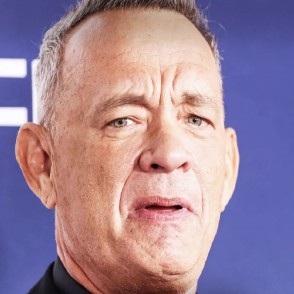
For decades, Tom Hanks has been regarded as one of the most respected and versatile figures in the entertainment industry. Known for his ability to portray deeply human characters across a wide range of genres, Hanks has built a career defined not only by critical acclaim but also by public trust. Yet beyond awards, box office success, and iconic performances, one moment from more than a decade ago shifted attention away from cinema and toward a more personal subject: health.
In 2013, the actor openly revealed that he had been diagnosed with type 2 diabetes, a condition affecting millions of people worldwide. While celebrity health disclosures are not uncommon, Hanks’ candid and self-reflective approach stood out. Rather than framing the diagnosis as shocking or tragic, he used the opportunity to discuss personal responsibility, lifestyle choices, and the importance of awareness—topics that resonated far beyond Hollywood.
This moment marked a transition in how many fans viewed the actor: not only as a performer, but as a relatable individual navigating challenges familiar to everyday life.
A Personal Revelation Shared Publicly
Hanks first addressed his diagnosis during an appearance on Late Show With David Letterman, choosing a platform known for humor and candid conversation. In a straightforward and calm manner, he described a long-standing history of elevated blood sugar levels, dating back many years before the official diagnosis.
According to Hanks, his doctor framed the news plainly, explaining that what had once been a warning sign had now become a confirmed condition. The actor recounted the moment without drama, emphasizing that type 2 diabetes is not an overnight development, but often the result of long-term patterns.
What made this disclosure notable was its tone. There was no attempt to deflect responsibility or minimize the issue. Instead, Hanks acknowledged that the diagnosis was a wake-up call—one that required adjustment, accountability, and acceptance.
Understanding Type 2 Diabetes in a Broader Context
Type 2 diabetes is commonly associated with lifestyle factors such as diet, physical activity, and weight management, though genetics and age also play significant roles. By speaking openly about his own experience, Hanks helped normalize conversations around a condition that is frequently misunderstood or stigmatized.
Importantly, his remarks did not present medical guidance or prescriptions. Instead, they reflected a personal journey—one that mirrors the experiences of many individuals who discover that years of habits can quietly shape long-term health outcomes.
This approach aligned well with responsible public discourse: informative without being instructional, personal without being alarmist.
Reflections on Lifestyle and Accountability
In later interviews, including one with the Radio Times, Hanks offered more detailed reflections on the habits that contributed to his condition. His comments were notably self-critical, but also grounded in realism.
He described himself as part of a generation that often prioritized convenience over long-term well-being, acknowledging that weight fluctuations and inconsistent health routines were factors he could not ignore. Rather than placing blame externally, he emphasized personal choices—particularly around diet and physical activity.
These remarks resonated with audiences because they avoided extremes. Hanks did not present himself as a victim, nor did he claim moral superiority after the diagnosis. Instead, he framed the experience as a lesson in moderation, awareness, and adaptation.
Health as an Ongoing Process, Not a One-Time Event
One of the most consistent messages Hanks has shared is that managing type 2 diabetes is not about quick fixes. He has spoken about the importance of maintaining a healthy weight, staying active, and remaining attentive to one’s body over time.
This long-term perspective reflects how many chronic conditions are addressed in real life: through sustained effort rather than dramatic intervention. By discussing management rather than cure, Hanks contributed to a more realistic understanding of health maintenance.
Such messaging aligns well with public health principles and avoids misleading claims—an important factor for responsible media coverage and advertising standards.
The Role of Public Figures in Health Conversations
When well-known individuals discuss personal health matters, the impact often extends beyond their immediate fan base. In Hanks’ case, his openness encouraged conversations about prevention, early monitoring, and the value of listening to medical professionals.
However, it is equally important that such disclosures are framed carefully. Hanks’ statements remained personal and reflective, avoiding directives or endorsements. This distinction helped ensure that his story functioned as awareness rather than advice.
For media platforms and publishers, this approach is essential. Content that informs without instructing, and that emphasizes personal experience over generalized claims, aligns with advertising and content quality guidelines.
Later Appearances and Renewed Public Interest
Years after his initial disclosure, Hanks’ health occasionally returns to public discussion, particularly following high-profile appearances. One such moment occurred during a segment on Saturday Night Live, where the actor joined fellow performers in the show’s Five-Timers Club celebration.
While the appearance was lighthearted, some viewers speculated about his physical condition, demonstrating how closely public figures are observed. These moments often reignite conversations about aging, health, and longevity—topics that naturally evolve as celebrities grow older in the public eye.
It is worth noting that such speculation rarely reflects confirmed information. Public appearances can vary due to countless factors, and responsible reporting avoids drawing conclusions without evidence.
Aging, Visibility, and Public Expectations
As actors age, their physical changes are often scrutinized more intensely than those of private individuals. For someone like Hanks, whose career spans multiple decades, these shifts are particularly visible.
His experience highlights a broader societal issue: the expectation that public figures remain physically unchanged, even as time progresses. By contrast, Hanks’ willingness to acknowledge health challenges contributes to a more realistic narrative—one that recognizes aging as a natural process rather than a flaw.
This perspective supports healthier cultural attitudes and reduces pressure on both celebrities and audiences alike.
Why Responsible Storytelling Matters
Stories involving health, especially those connected to well-known individuals, carry a unique responsibility. Overstating risks, exaggerating symptoms, or implying unverified outcomes can mislead readers and violate content standards.
The coverage of Hanks’ diagnosis has largely avoided these pitfalls by focusing on confirmed statements, personal reflection, and broader awareness. This approach ensures that the narrative remains informative, respectful, and suitable for a wide audience.
For publishers, such framing is essential for maintaining credibility and meeting advertising guidelines.
A Legacy Beyond Film
While Tom Hanks will always be remembered for his performances, his openness about personal challenges adds another layer to his public legacy. By discussing health in a grounded and honest way, he has contributed to conversations that affect millions of people.
His story is not about fear or alarm, but about awareness, responsibility, and adaptation—values that extend well beyond celebrity culture.
In an era where information spreads rapidly and misinformation can easily take hold, such measured, transparent storytelling serves as a reminder that meaningful dialogue often begins with honesty and balance.