
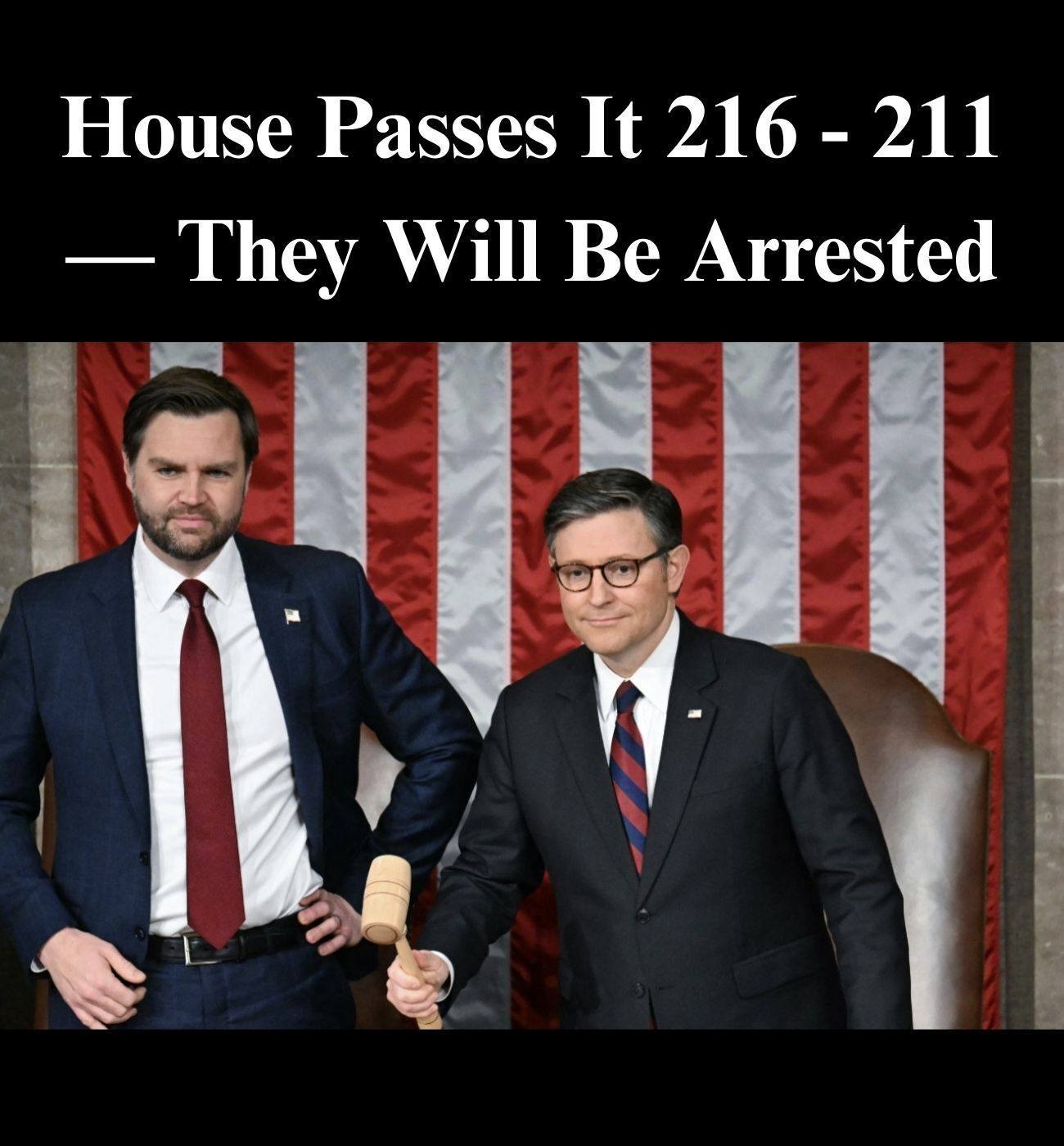
The chamber fell into a tense silence as the final tally illuminated the board. For a split second, there was nothing but the hum of lights and the weight of expectation. Then came the eruption — applause and cheers from one side, sharp murmurs and visible anger from the other. Yet it wasn’t the numbers themselves that shifted the atmosphere. It was what followed. The statements made in the immediate aftermath transformed the moment from a routine legislative decision into something far more charged. This was no longer presented as a policy dispute. It was framed as consequence.
The bill had advanced through the United States House of Representatives by the narrowest of margins. Every vote had been tracked obsessively, every absence scrutinized. Supporters described the measure as necessary — a restoration of authority, a correction long overdue. Opponents warned it stretched beyond its intended scope, calling it retaliatory and dangerous. The debate had already been heated. But once the gavel struck, the rhetoric intensified.
Members of the majority spoke not just of legislative victory but of accountability. The tone shifted from governance to enforcement. Words like “violation,” “culpability,” and “consequence” echoed through the chamber and across cable news screens. What unsettled observers most was the invocation of the word “arrest.” It was not attached to a formal charge or a judicial ruling. Instead, it was delivered as a pointed implication — a signal that resistance could carry personal cost.
Behind the scenes, staffers scrambled to refine messaging. Phones buzzed with statements, fundraising emails, and press releases drafted in real time. Talking points hardened into talking lines, designed less to persuade than to mobilize. The narrative solidified quickly: this vote was not just a policy win; it was a reckoning. The implication was unmistakable — that lines had been crossed, and someone would answer for it.
Critics fired back with equal intensity. They accused their colleagues of weaponizing language and eroding institutional norms. Votes, they argued, are instruments of lawmaking, not declarations of guilt. Disagreement within a legislative body is not a crime. To suggest otherwise, they warned, risks blurring the line between democratic process and political intimidation. But in a hyper-connected media environment, tone can travel faster than clarification. The framing took hold.
What made the moment especially volatile was not solely the substance of the bill. It was the certainty with which punishment was implied. That confidence — the suggestion that enforcement, even arrest, might follow — altered the emotional temperature. It hardened partisan divides and made compromise appear less like collaboration and more like capitulation. When legislative victories are described in prosecutorial terms, the stakes feel existential rather than procedural.
Whether any legal action emerges from the controversy remains uncertain and would ultimately fall under the jurisdiction of the courts, not the chamber floor. But the rhetorical shift itself was significant. A vote became more than a tally; it became a message — one crafted to resonate far beyond the Capitol.
In that moment, power revealed another dimension. It was not just the authority to pass laws, but the ability to shape perception — to transform debate into warning, disagreement into alleged wrongdoing. And once language escalates to that level, it rarely returns quietly.