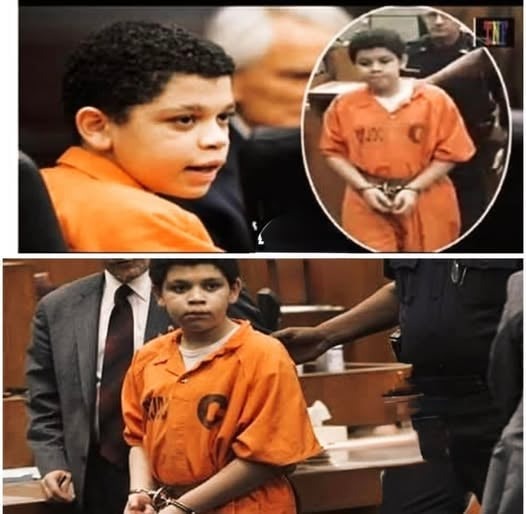
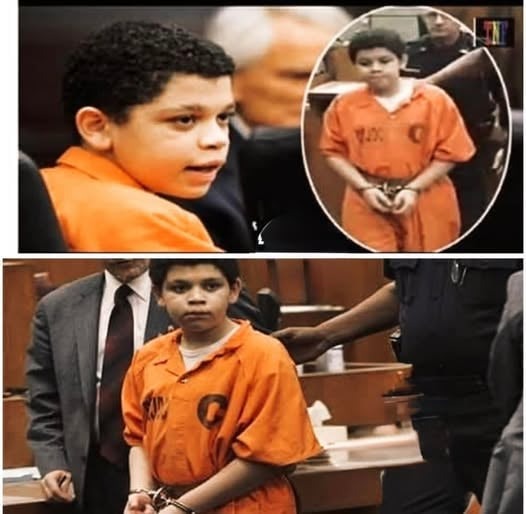
The United States has long grappled with difficult questions about crime, accountability, and punishment. Among the most sensitive and controversial issues within the criminal justice system is the sentencing of minors to life imprisonment without the possibility of parole.
Human rights advocates, legal scholars, policymakers, and community leaders continue to debate whether such sentences are compatible with modern understandings of child development and constitutional protections. Over the past two decades, the issue has drawn increased scrutiny from advocacy organizations, courts, and international observers.
This article provides a comprehensive, balanced overview of juvenile life sentences in the United States, exploring the legal framework, landmark court decisions, individual case examples, and the broader ethical questions at the heart of the debate.
Understanding Juvenile Life Without Parole
A life sentence without the possibility of parole (often abbreviated as LWOP) means that an individual will spend the remainder of their life in prison with no opportunity for early release. When applied to minors—typically individuals under the age of 18 at the time of the offense—such sentences have prompted widespread legal and moral discussion.
Advocacy organizations such as Human Rights Watch and the Equal Justice Initiative have published reports examining the number of individuals who were sentenced as juveniles to life without parole. Their findings have fueled debate about proportionality, fairness, and constitutional standards.
Critics argue that children differ from adults in fundamental ways, including emotional development, impulse control, and susceptibility to peer pressure. Supporters of strong sentencing policies, on the other hand, emphasize the seriousness of certain crimes and the need to protect public safety.
The Legal Landscape: Supreme Court Decisions
The debate over juvenile life sentences has been significantly shaped by rulings from the Supreme Court of the United States.
Miller v. Alabama (2012)
In 2012, the Court ruled in Miller v. Alabama that mandatory life without parole sentences for juveniles violated the Eighth Amendment’s prohibition against cruel and unusual punishment. The decision did not eliminate life sentences for minors altogether, but it required judges to consider mitigating factors such as age, background, and the circumstances of the offense before imposing such a sentence.
Montgomery v. Louisiana (2016)
Four years later, in Montgomery v. Louisiana, the Court ruled that the Miller decision should be applied retroactively. This meant that individuals previously sentenced under mandatory schemes could seek resentencing or parole consideration.
These rulings represented a shift in how courts evaluate youth culpability, emphasizing individualized sentencing rather than automatic penalties.