A dramatic moment unfolded in Washington, D.C., when a U.S. Marine veteran publicly refused to support a war he said would be fought “for Israel,” sparking an intense wave of debate both online and across political circles in the United States. The unexpected confrontation happened during a formal congressional hearing and quickly turned into a viral moment that reignited discussions about U.S. foreign policy and military involvement in conflicts overseas.
The veteran, Brian McGinnis, interrupted a U.S. Senate Armed Services Committee hearing while lawmakers were discussing military policy and the growing tensions in the Middle East. The hearing was focused on national security concerns and the possibility of escalating conflict in the region, an issue that has increasingly dominated political discussions in Washington.
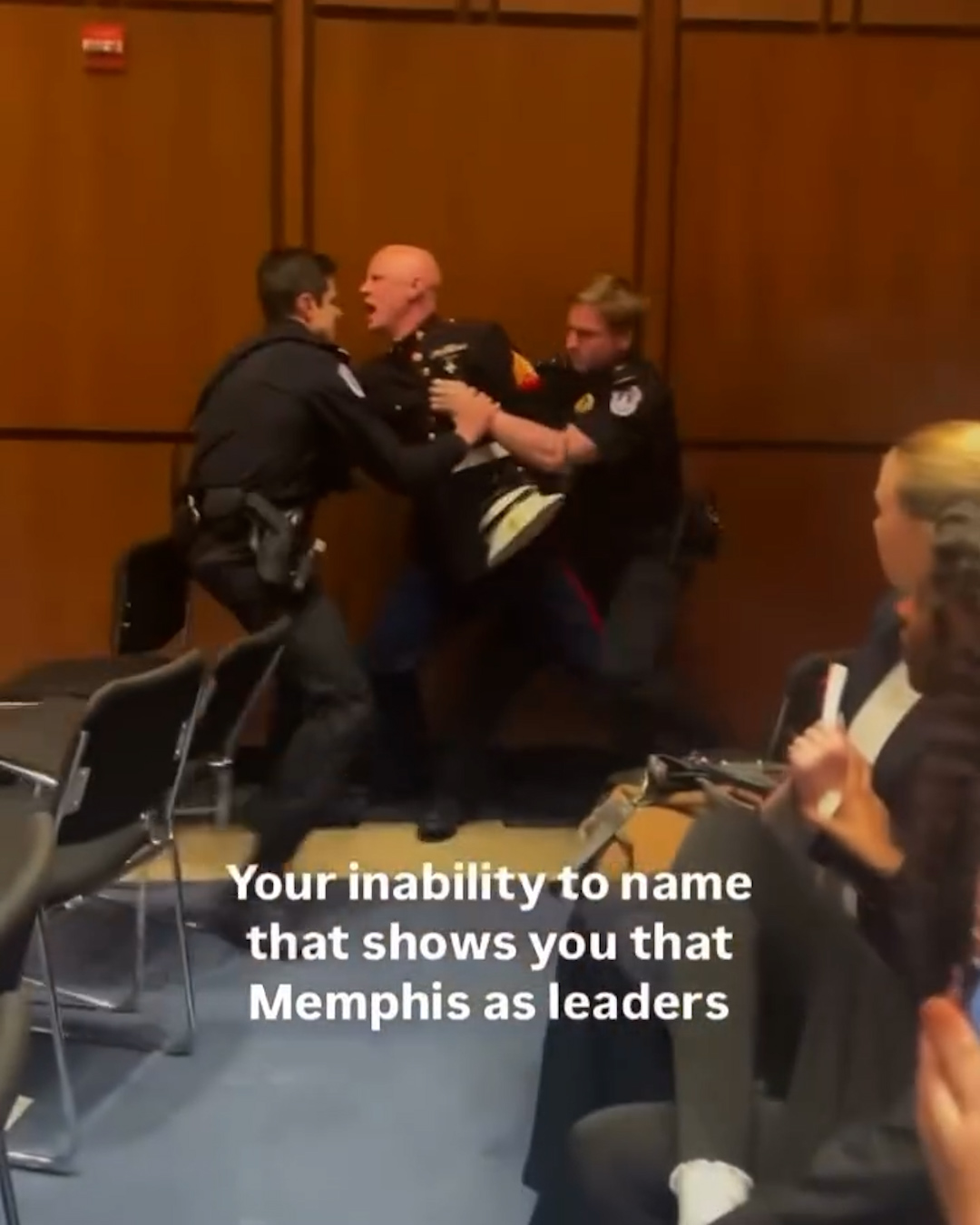
According to witnesses present in the room, McGinnis suddenly stood up while the hearing was in progress. Wearing his Marine Corps uniform, he loudly addressed the room, expressing his frustration with what he believed could lead to another war involving American troops. McGinnis shouted that Americans should not be sent to fight or die in a conflict connected to Israel, arguing that U.S. soldiers should not be placed in harm’s way for the interests of another nation.
His interruption immediately stunned lawmakers and attendees in the chamber. Several people attempted to calm the situation as the veteran continued to voice his objections. Witnesses reported that McGinnis repeatedly yelled phrases such as “No one wants to fight for Israel,” emphasizing his belief that the American public does not support sending troops into another foreign conflict. He also argued that the United States should not send its “sons and daughters to war” for what he described as political decisions that could lead to unnecessary loss of life.
Security personnel quickly moved to remove him from the hearing room as the situation escalated. U.S. Capitol Police officers approached McGinnis and attempted to escort him out of the chamber. The moment soon turned chaotic as the veteran resisted being removed. During the struggle, officers and staff members worked to clear the area and restore order to the hearing.
Reports later indicated that Senator Tim Sheehy was among those who helped escort the veteran out of the chamber during the confrontation. In the process of being restrained and removed from the room, McGinnis reportedly suffered a broken arm, adding another layer of controversy to the incident.
Following the altercation, authorities placed McGinnis under arrest. He was charged with several offenses, including resisting arrest and assaulting police officers during the confrontation. Law enforcement officials stated that disrupting a congressional hearing and physically resisting security personnel are serious violations that required immediate action.
McGinnis previously served in the United States Marine Corps and is currently reported to work as a firefighter in North Carolina. In recent years, he has been outspoken about his views regarding American military involvement in the Middle East, frequently criticizing the idea of sending U.S. troops into conflicts he believes do not directly serve American interests.
Videos of the confrontation quickly spread across social media platforms, turning the moment into a viral flashpoint in the ongoing debate about U.S. foreign policy. Within hours, clips of the incident were being shared widely online, with millions of viewers watching the dramatic interruption.
The reaction from the public has been sharply divided. Some people praised McGinnis for speaking out and standing up for what he believes, arguing that veterans have a unique perspective on the costs of war. Others criticized his actions, saying that disrupting a congressional hearing was not an appropriate way to express political disagreement.
Political analysts say the incident reflects the growing tension inside the United States as discussions continue over the country’s role in global conflicts. As debates about potential military escalation in the Middle East continue, the confrontation involving McGinnis has become a powerful symbol of the deep divisions surrounding America’s foreign policy and its long-standing alliances in the region.