
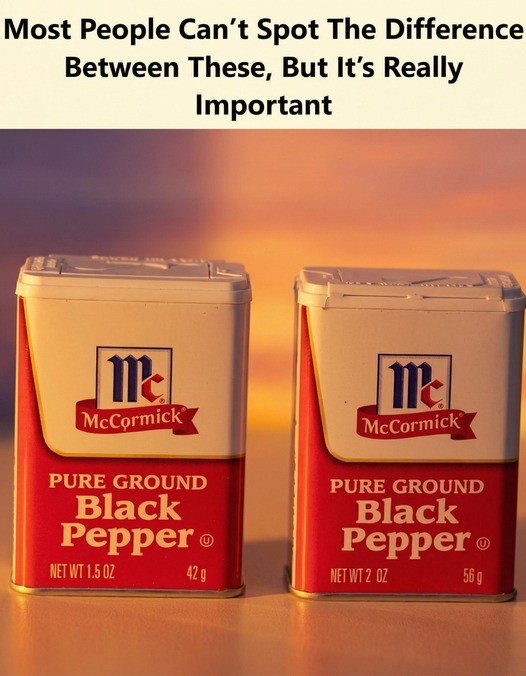
In the high-velocity world of modern retail, consumers are constantly making rapid decisions. Grocery stores, convenience shops, and online marketplaces are designed for speed and efficiency, encouraging shoppers to move quickly from one item to the next. In this environment, the psychology of packaging often becomes more influential than the fine print printed on the label. Many shoppers rely on visual cues—such as the height of a container, the width of a box, or the opacity of a bottle—to judge the value of a product. Instead of carefully examining details like net weight or volume, they make quick assumptions based on what the packaging appears to promise.
This behavior is largely driven by what psychologists call “autopilot shopping.” When people are moving quickly through a store or browsing online, their brains rely on shortcuts to process information. Rather than reading every label carefully, they focus on simple signals: size, color, brand recognition, and packaging shape. A tall bottle might feel like it contains more product than a short one. A large box might suggest a generous portion inside. These visual impressions allow shoppers to make decisions in seconds, which is convenient but can also be misleading.
Because of this tendency, packaging design plays a powerful role in influencing consumer perception. Companies invest heavily in designing containers that stand out on shelves and attract attention. Marketing teams study how colors, shapes, and materials affect how customers interpret value. While this practice is a normal part of branding and advertising, it can sometimes blur the line between appealing presentation and potentially deceptive design.
The gap between what packaging technically discloses and what it visually implies has become a growing topic of debate in modern commerce. Labels may clearly state the net weight or the exact amount of product contained inside, complying with regulations. However, if the container itself appears much larger than the quantity it actually holds, consumers may feel misled—even if the information was technically available on the label.
This tension has increasingly led to legal disputes and consumer complaints. In several industries, particularly food and household goods, lawsuits have been filed alleging that packaging gives a false impression of value. Critics argue that some containers include unnecessary empty space or are shaped in ways that exaggerate how much product they appear to contain. Supporters of stricter oversight say this practice can confuse shoppers who are making quick purchasing decisions.
From the perspective of companies, packaging design is a legitimate tool for brand identity and shelf visibility. Products compete for attention in crowded aisles, and unique shapes or large containers can help distinguish one brand from another. Manufacturers often argue that all required information—such as net weight or serving size—is clearly printed on the package, meaning consumers still have access to accurate details if they choose to look closely.
However, consumer advocates point out that real-world shopping rarely happens under perfect conditions. Many shoppers are multitasking, shopping with children, rushing after work, or navigating busy stores. Under these circumstances, they are far more likely to rely on quick visual impressions rather than reading small text.
The result is an ongoing debate about fairness and transparency in product packaging. Regulators, companies, and consumer groups continue to discuss how to balance creative marketing with honest representation. As retail environments become faster and more competitive, the question remains whether packaging should simply comply with technical disclosure rules or also ensure that the visual impression matches the true value inside.
Ultimately, the issue highlights how something as simple as a container can shape perception, influence decisions, and spark broader conversations about trust in the marketplace.