
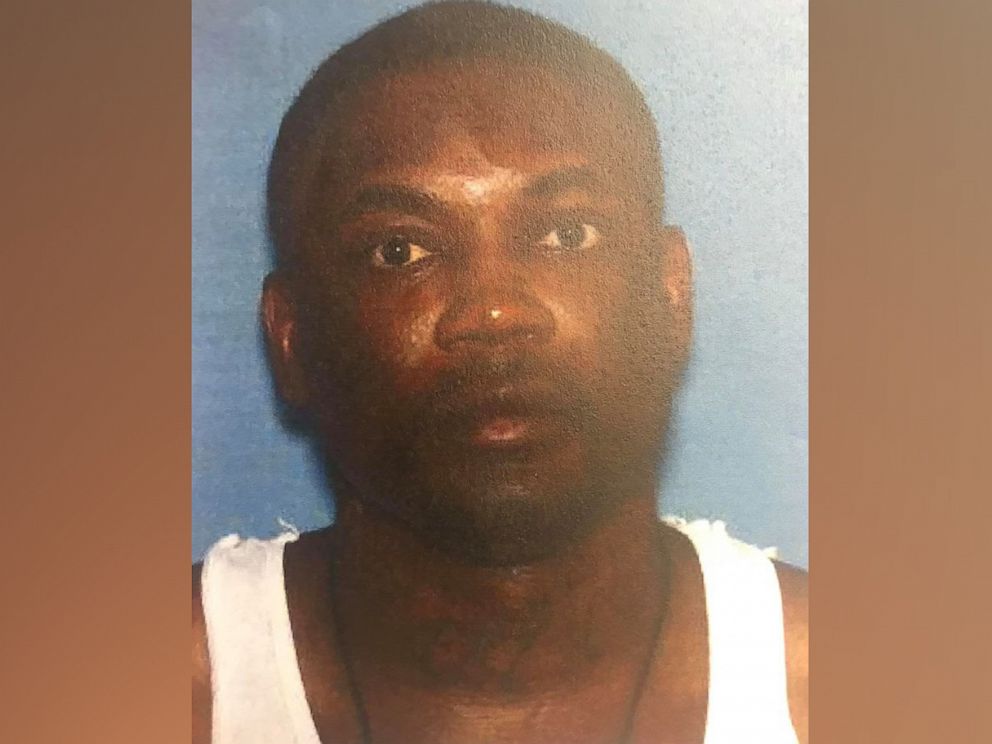
The story of Travis Lewis is one of the most haunting examples of how forgiveness, even at its most profound, can sometimes end in devastating tragedy.
In 1996, in the quiet community surrounding Horseshoe Lake in Arkansas, a brutal crime shocked residents to their core. Travis Lewis was just 16 years old when he committed a double murder at a family property. His victims were Sally Snowden McKay and her young nephew—two lives taken in a violent act that left a lasting scar on the McKay family and the wider community.
At the time, Lewis was tried and sentenced for the crime, spending more than two decades behind bars. Like many cases involving juvenile offenders, his eventual release sparked debate about rehabilitation, justice, and whether someone capable of such violence at a young age could truly change.
After serving over 20 years in prison, Lewis was granted parole. For many, that alone was controversial. But what happened next would leave people stunned.
Sally Snowden McKay’s daughter, Martha McKay, made a decision that few could comprehend. Rather than turning away from the man who had destroyed her family, she chose to meet him. In what many would describe as an extraordinary act of compassion, Martha visited Lewis in prison and began building a relationship with him. She believed in the possibility of redemption. She believed that people could change.
When Lewis was released, Martha didn’t just forgive him—she welcomed him back into her life.
In a move that shocked even those closest to her, she hired him to perform maintenance work around the same family estate where her mother had been murdered decades earlier. It was a powerful, almost unimaginable gesture of trust. For Martha, it seemed to represent closure, healing, and a belief that good could come from even the darkest past.
For a time, it appeared that her faith might not be misplaced.
But beneath the surface, something was unraveling.
In 2020, reports emerged that Martha had discovered Lewis had been stealing money from her home. The trust she had extended so freely was broken. She made the difficult decision to fire him, cutting off the opportunity she had once so generously given.
What followed would turn an already tragic story into something even more heartbreaking.
Not long after being dismissed, Lewis returned to the property—this time with violent intent. He broke into the home and murdered Martha McKay, the very woman who had forgiven him, supported him, and given him a second chance at life.
The killing was chilling not only for its brutality, but for its location. It happened in the same home where Lewis had murdered Martha’s mother years earlier. For many, it felt like history repeating itself in the most horrific way possible.
After the crime, Lewis attempted to flee the scene. According to reports, he tried to escape across Horseshoe Lake. But in a twist that almost feels surreal, he never made it to the other side.
Lewis drowned during his escape attempt, bringing a sudden and dramatic end to his life—and closing the chapter on a case that had already taken so much.
The story leaves behind a complicated legacy. On one hand, it is a stark reminder of the risks that can come with trusting someone who has committed serious violence in the past. On the other, it highlights an act of forgiveness so rare and profound that it continues to resonate, even in the face of tragedy.
Martha McKay’s decision to forgive Lewis was not one born of naivety, but of courage. She chose compassion over bitterness, hope over fear. That her kindness was met with such betrayal only deepens the sorrow of the outcome.
For many, the case raises difficult questions: Can people truly change after committing horrific crimes? How should society balance justice and rehabilitation? And what are the limits of forgiveness?
There are no easy answers.
What remains undeniable, however, is the emotional weight of this story. It is a tale of loss, redemption, trust—and ultimately, betrayal. And at its center is a woman who chose to believe in the goodness of others, even when the world might have told her not to.
In the end, Martha McKay’s legacy may not be defined by the tragedy of her death, but by the extraordinary compassion she showed in life—a compassion that, while it did not change the outcome, continues to challenge how we think about forgiveness itself.