
Reports emerging today suggest a major escalation in tensions around the strategically vital Strait of Hormuz, with Iran allegedly taking steps to restrict or temporarily shut down passage through the narrow waterway and launching attacks in the surrounding region. While full details remain unclear and some information is still unconfirmed, the situation is already raising serious global concern due to the importance of this route for international oil shipments.
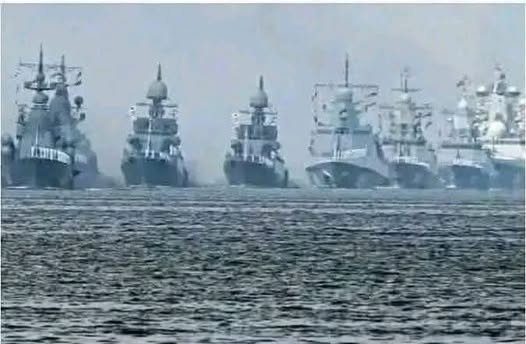
According to early sources and regional observers, Iranian forces appear to have increased their military presence in and around the Strait, deploying naval units and possibly using fast attack boats to assert control over key shipping lanes. There are also claims that warning shots were fired toward commercial vessels, forcing several ships to alter course or halt movement altogether. If confirmed, this would mark one of the most significant disruptions in maritime traffic through the Strait in recent years.
At the same time, unverified reports indicate that Iran may have carried out targeted strikes against what it described as “hostile assets” in nearby waters. Some sources suggest that these attacks could have involved drones or anti-ship missiles aimed at vessels believed to be linked to rival nations or military coalitions operating in the region. However, there has been no immediate independent confirmation of the exact targets or the extent of the damage caused.
The Strait of Hormuz is one of the most critical chokepoints in the global energy supply chain, with roughly a fifth of the world’s oil passing through it daily. Any disruption—even temporary—can have immediate effects on global markets. Following today’s developments, oil prices have already shown signs of volatility, with traders reacting to the uncertainty and potential risks of prolonged instability.
International reactions have begun to surface as governments monitor the situation closely. Several countries have reportedly urged restraint, calling for de-escalation and the protection of civilian shipping routes. There are also indications that naval forces from multiple nations may increase their presence in nearby waters to ensure freedom of navigation and to deter further escalation.
Iran, for its part, has not issued a fully detailed official statement at the time of writing, but state-aligned media outlets have framed the actions as a defensive response to perceived threats in the region. They claim that recent movements by foreign military forces near Iranian waters justified heightened security measures. However, critics argue that such actions risk triggering a broader conflict and further destabilizing an already tense geopolitical landscape.
Experts warn that if the situation continues to escalate, it could lead to wider military confrontations involving regional and global powers. Even without direct conflict, prolonged disruption in the Strait could have far-reaching economic consequences, including rising fuel prices and supply chain challenges worldwide.
As the story develops, more concrete information is expected to emerge regarding what exactly was targeted, how long the Strait might remain affected, and what the international response will be. For now, the situation remains fluid, with heightened tensions and significant uncertainty dominating the region.
Given the stakes involved, the coming hours and days will be crucial in determining whether this incident remains a temporary show of force or escalates into a much larger crisis with global implications.