A Statement That Sparked Nationwide Discussion
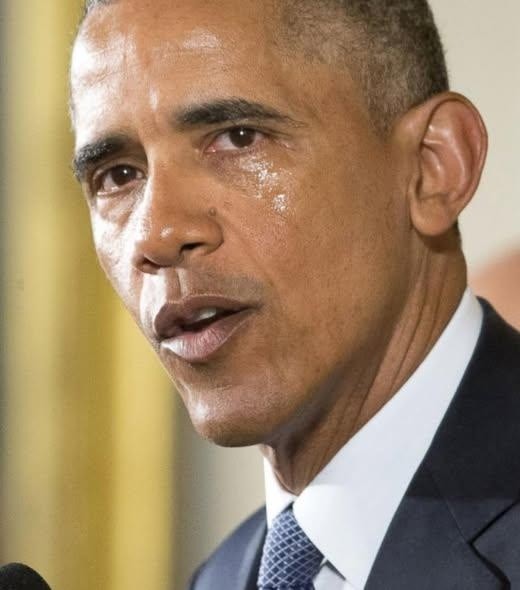
The already complex landscape of American politics recently experienced another moment of intense discussion after comments made by former U.S. President Barack Obama during a public appearance in March 2026.
During the event, Obama spoke about the importance of protecting democratic institutions and norms. In doing so, he suggested that continued support for former President Donald Trump raises concerns about respect for democratic processes.
The remarks quickly captured national attention.
Within hours, television networks, online publications, and social media platforms were filled with analysis, debate, and commentary. Supporters of Obama’s position viewed his comments as a reminder about the importance of institutional stability, while critics argued that his remarks unfairly characterized millions of voters.
The reaction highlighted how deeply divided public opinion remains in the United States.
Obama’s Broader Message About Democratic Institutions
In his comments, Obama emphasized that democracy involves more than simply holding elections. He spoke about the broader responsibilities that come with maintaining a democratic system.
According to the former president, democratic societies rely on several key principles, including:
- Respect for the peaceful transfer of power
- Confidence in the rule of law
- Trust in the independence of courts and institutions
- Acceptance of election outcomes
Obama suggested that these shared norms help ensure political disagreements remain within the boundaries of constitutional governance.
From his perspective, questioning these structures too aggressively could weaken public confidence in the system.
For supporters of his message, the remarks were interpreted as part of a long-standing argument Obama has made about protecting democratic institutions.
Strong Reactions From Across the Political Spectrum
Not surprisingly, the statement generated immediate reactions from different political viewpoints.
Supporters of Trump and many conservative commentators strongly disagreed with Obama’s framing. They argued that democracy is defined by the freedom of citizens to support whichever candidate they choose.
From this perspective, criticizing voters’ choices could be seen as dismissive of legitimate political differences.
Some critics suggested that political leaders should focus on debate over policies rather than questioning the motivations of voters.
Others emphasized that skepticism toward government institutions is not new in American history and has often been part of public debate.
A Larger Debate About the Meaning of Democracy
The discussion surrounding Obama’s comments reflects a deeper philosophical disagreement about how democracy should function.
For some observers, democracy is primarily about protecting institutional procedures and constitutional norms. From this viewpoint, stability and respect for long-standing processes are essential for maintaining a healthy political system.
For others, democracy is centered on the direct will of the voters. In that interpretation, elections represent the ultimate expression of public choice—even when those choices challenge existing institutions or political traditions.
These two interpretations are not necessarily incompatible, but tensions can arise when they are emphasized in different ways.
The current political climate in the United States often brings these differences to the surface.
The Timing of the Remarks
The timing of Obama’s statement also played a role in the level of attention it received.
As political conversations begin shifting toward upcoming election cycles—including the 2026 midterm elections and discussions about the future of national leadership—public figures are increasingly speaking about the direction of American democracy.
Obama’s comments were widely interpreted as part of a broader effort among some political leaders to encourage public engagement in debates about democratic norms and governance.
At the same time, critics argued that such remarks risk intensifying partisan divisions rather than reducing them.
The Continuing Influence of the Trump Era
Even several years after leaving office, Donald Trump remains one of the most influential figures in American politics.
His leadership style, political messaging, and relationship with voters reshaped the national conversation during his presidency.
As a result, discussions about his political legacy continue to play a major role in public debate.
Obama’s recent comments reflect how the political dynamics that emerged during the Trump presidency continue to shape conversations across both major parties.
Many analysts believe this influence will remain significant for years to come.
The Role of Media in Amplifying Political Debate
Modern media environments often intensify reactions to political statements.
Television networks, digital publications, and social media platforms rapidly distribute clips and quotes, sometimes focusing on short excerpts rather than longer explanations.
This can lead to different interpretations depending on which segments are highlighted.
Supporters of Obama’s viewpoint emphasized his broader message about protecting democratic systems.
Meanwhile, critics focused on the implications of describing voter support for a political candidate in negative terms.
These different narratives circulated widely, reinforcing existing perspectives among audiences.
Public Trust and Political Polarization
The debate surrounding Obama’s remarks also reflects a larger challenge facing the United States: declining trust in institutions.
Over the past decade, surveys have shown decreasing levels of public confidence in several areas, including:
- Government institutions
- The media
- The electoral process
- Political leadership
At the same time, political polarization has increased, with voters increasingly identifying strongly with one party or ideology.
This environment can make it difficult for political statements to be interpreted in neutral ways.
Even comments intended as warnings or reflections may be viewed through a partisan lens.
Supporters Say Speaking Out Is Important
Supporters of Obama’s comments argue that former leaders have a responsibility to speak about issues affecting democratic stability.
They believe that experienced public officials can provide perspective on the long-term importance of constitutional norms and institutional checks and balances.
From this viewpoint, raising concerns about democratic practices is part of healthy public discourse.
Some analysts also note that former presidents often remain influential voices in shaping national conversations long after leaving office.
Critics Emphasize Respect for Voter Choice
At the same time, critics emphasize that democratic systems depend on respecting the choices made by voters.
They argue that voters may support a candidate for many different reasons, including policy positions, economic concerns, or cultural issues.
From this perspective, it is important that political debates remain focused on ideas rather than assumptions about voter intentions.
These critics say that maintaining mutual respect between different political viewpoints is essential for a functioning democracy.
A Reflection of America’s Political Divisions
The strong reactions to Obama’s remarks illustrate how deeply political divisions currently run in the United States.
Even statements intended to discuss democratic principles can quickly become part of larger partisan debates.
Political analysts often describe the current era as one of heightened polarization, where many Americans feel strongly about the direction of the country.
This environment can make national conversations more intense, but it also demonstrates the continued importance of civic engagement.
Looking Ahead to Future Elections
As future elections approach, discussions about democratic values, political leadership, and the role of institutions will likely remain central topics.
Leaders from both major parties continue to present different visions for how American democracy should evolve in the coming years.
These debates may focus on issues such as:
- Election administration and security
- Government transparency
- Economic policy
- The balance between institutional stability and political reform
Public engagement with these topics is likely to remain strong.
The Importance of Dialogue in a Democracy
Despite the disagreements surrounding Obama’s remarks, many observers emphasize that open debate is a fundamental part of democratic life.
Political systems rely on the ability of citizens to express opinions, challenge ideas, and discuss competing perspectives.
Constructive dialogue can help societies address differences while continuing to function within shared democratic structures.
Even when opinions strongly diverge, respectful discussion can help maintain the foundation of democratic governance.
Conclusion: A Conversation That Reflects a Changing Political Era
The reaction to Barack Obama’s comments about support for Donald Trump highlights how sensitive discussions about democracy have become in the United States.
For some, the remarks represent a warning about the importance of protecting institutions.
For others, they raise concerns about respecting the choices made by voters.
Regardless of interpretation, the conversation reveals how central questions about democratic values remain in American public life.
As political debates continue to unfold in the coming years, discussions about leadership, institutions, and civic responsibility will likely remain at the forefront of national attention.
In many ways, the reactions to Obama’s statement reflect a broader challenge facing modern democracies: balancing strong political disagreement with a shared commitment to the democratic system itself.
Continuing Conversations About the Future of Democracy
Moments like this often serve as reminders of how important ongoing civic conversations are within a democratic society. Political systems do not remain static; they evolve over time as citizens debate ideas, evaluate leadership, and consider the direction they want their country to take.
In the United States, public debate has long been part of the national identity. From town hall meetings to national elections, Americans regularly engage in discussions about the balance between institutional stability and the need for change.
Statements from prominent figures such as Barack Obama often receive heightened attention because of their visibility and historical role in public life. When former presidents speak, their perspectives can influence broader conversations, even among people who may not agree with their views.
At the same time, supporters of Donald Trump and other political leaders continue to emphasize the importance of representing the concerns of voters who feel strongly about economic policy, cultural issues, and government accountability.
These differing perspectives reflect the diversity of opinions within the American electorate. While disagreements can sometimes appear sharp, they also demonstrate the active participation that defines democratic systems.
Ultimately, the ongoing discussion highlights a larger question facing many modern democracies: how to maintain trust in institutions while also respecting the wide range of viewpoints that citizens bring to the political process.