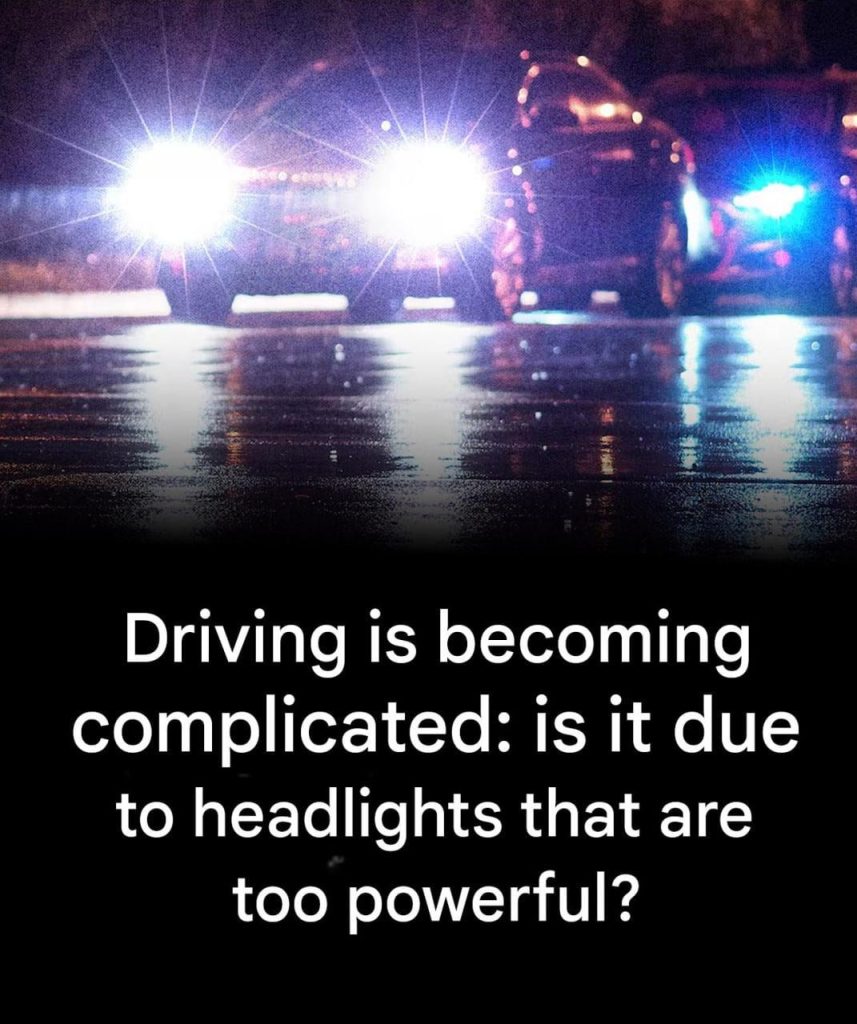
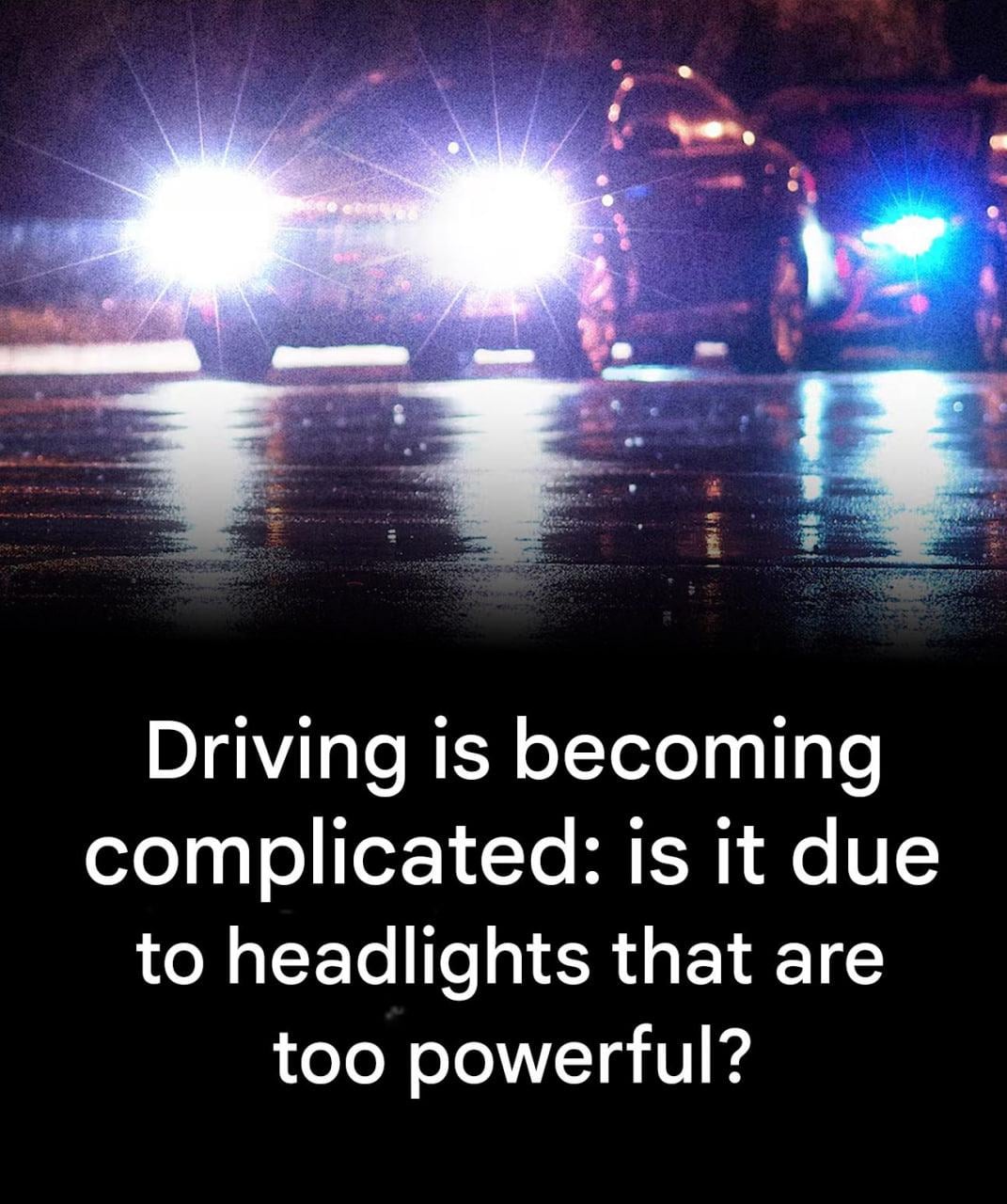
The glare hits you like a punch. For a split second, the road disappears, your hands tighten on the wheel, and doubt creeps in: is it your eyes… or have car headlights simply become blinding? Each night, millions of drivers face the same unsettling question. While the feeling is familiar, the real cause often goes unnoticed, hiding in plain sight amid a mix of new technology, aging vehicles, and tiny adjustments most drivers rarely consider.
Modern LED headlights are one of the main culprits. Unlike traditional halogen lights, LEDs are brighter, whiter, and more focused. Their concentrated beam is excellent for illuminating the road ahead, but it can easily overwhelm tired or sensitive eyes. The problem is especially pronounced during rain, fog, or when other vehicles approach, creating a sudden and almost painful burst of light that can momentarily blind even experienced drivers. The color temperature, often described as “cool white” or even slightly blue, can exacerbate the effect, as it scatters more in the eye than warmer yellow tones.
Beam direction and height play an equally important role. Even the brightest lights lose effectiveness if misaligned, but poorly aimed headlights can be dangerous. When light hits a driver at eye level—commonly from SUVs, trucks, or cars that are heavily loaded in the rear—the result is vision saturation. In that brief moment, the road ahead vanishes, forcing you to slow down instinctively. It’s not just a matter of discomfort; studies suggest that glare contributes to delayed reaction times, increased eye strain, and even accidents, particularly on rural roads with no ambient street lighting.
Fortunately, this isn’t an unavoidable risk. Small, practical actions can dramatically reduce nighttime glare and make driving safer. First, headlight alignment should be checked regularly, ideally every six months or whenever a vehicle carries extra weight. Many cars offer manual beam adjustment that compensates for changes in load, which can prevent light from aiming directly at oncoming drivers’ eyes. Cleaning the windshield, inside and out, is another simple yet effective step: dirt, smudges, and streaks scatter light, magnifying glare and making it harder to see.
Your own driving habits can also mitigate the problem. Looking slightly to the right side of the road rather than directly into oncoming headlights helps your eyes stay focused without losing control of the vehicle. Reducing speed in areas with heavy nighttime traffic, using low beams whenever possible, and taking regular breaks during long drives all contribute to safer conditions. For drivers with sensitive eyes, anti-reflective lenses or specialized nighttime glasses may further reduce the discomfort caused by glare.
Looking ahead, technology promises a brighter and safer future. Adaptive headlights that automatically adjust beam intensity and direction based on traffic, speed, and road conditions are becoming increasingly common. These systems aim to illuminate roads effectively while reducing glare for oncoming drivers, blending safety with convenience. While the momentary blinding effect of headlights will never disappear entirely, a combination of vehicle maintenance, smart driving habits, and technological advancements ensures that night driving can remain not only manageable but also much less stressful. For millions of drivers, that means calmer nerves, clearer roads, and safer journeys, mile after mile.