
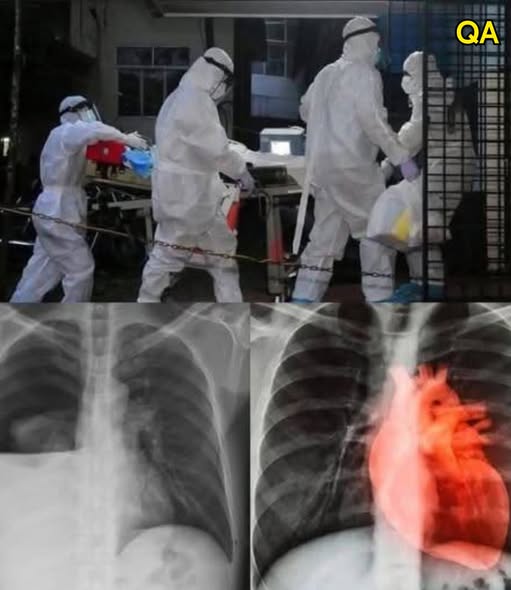
For several years, scientists and medical professionals have closely monitored the safety profile of mRNA-based COVID-19 vaccines. These vaccines have proven to be highly effective at preventing severe illness, hospitalization, and death. At the same time, ongoing research has acknowledged a rare but real side effect: myocarditis, an inflammation of the heart muscle, particularly observed in younger males after vaccination.
Now, new research offers a deeper and more precise understanding of why this happens in a small number of individuals. A team of researchers at Stanford Medicine has identified a specific biological mechanism that may explain how the immune system can, in rare circumstances, contribute to this condition. Their findings mark an important step forward in both scientific understanding and the potential prevention of vaccine-associated myocarditis.
Putting the Risk Into Perspective
Before exploring the science, it is essential to understand the scale of the issue. mRNA COVID-19 vaccines have been administered billions of times worldwide and have undergone extensive safety monitoring. The occurrence of myocarditis following vaccination remains very rare.
Estimates suggest that myocarditis occurs in approximately:
- 1 in 140,000 individuals after the first dose
- 1 in 32,000 individuals after the second dose
- Around 1 in 16,750 among males under 30, the group most commonly affected
While these numbers are not zero, they indicate that the vast majority of vaccinated individuals experience no serious complications. Additionally, most reported cases of myocarditis after vaccination are mild and resolve with appropriate medical care.
It is also important to highlight a key comparison: COVID-19 infection itself carries a significantly higher risk of myocarditis—estimated to be about ten times greater than that associated with vaccination—along with many other potentially severe complications.
A Closer Look at the Immune Response
The Stanford research team focused on understanding what differentiates individuals who develop myocarditis from those who do not. By analyzing blood samples from vaccinated individuals, they identified two proteins that were notably elevated in those who experienced heart inflammation: CXCL10 and interferon-gamma (IFN-gamma).
These proteins belong to a group known as cytokines. Cytokines are essential signaling molecules used by the immune system to coordinate responses against infections. Under normal conditions, they help the body fight off harmful pathogens. However, in certain situations, an overactive or misdirected cytokine response can contribute to inflammation in healthy tissues.
The researchers found that CXCL10 and IFN-gamma appear to work together in a coordinated way that may lead to inflammation affecting the heart.
The Role of Immune Cells
To better understand how these proteins are produced, scientists conducted laboratory experiments using human immune cells. They focused on two key players in the immune system:
- Macrophages: These are frontline immune cells responsible for detecting and responding to potential threats.
- T cells: These cells help regulate and amplify immune responses, targeting specific threats and coordinating defense mechanisms.
When macrophages were exposed to mRNA vaccines in a controlled laboratory environment, they began producing various cytokines, including high levels of CXCL10. This suggested that macrophages play a central role in initiating the signaling process.
The next step involved introducing T cells into the environment. Researchers observed that when T cells were exposed to signals from the macrophages—specifically the cytokine-rich environment—there was a significant increase in IFN-gamma production.
Interestingly, when T cells were exposed to the vaccine alone, without the influence of macrophage-derived signals, they produced only normal levels of IFN-gamma. This finding helped establish a sequence of events:
- Macrophages respond to the vaccine and produce CXCL10
- CXCL10 and related signals influence T cells
- T cells respond by producing IFN-gamma
- The combined effect may contribute to inflammation in certain individuals
This coordinated interaction between immune cells and cytokines appears to be a key factor in the rare development of myocarditis.
Why This Matters
Understanding this mechanism is important for several reasons. First, it provides clarity about why myocarditis occurs only in a small subset of people. The immune system is highly complex, and individual variations—such as genetics, age, and hormonal factors—may influence how strongly this cytokine pathway is activated.
Second, identifying specific molecules involved in the process opens the door to potential preventive strategies. If scientists can find ways to regulate or modify this immune response, it may be possible to reduce the already small risk even further.
Finally, this research reinforces confidence in vaccine safety by showing that scientists continue to investigate even rare side effects with precision and transparency.
Clinical Perspective
Medical experts emphasize that vaccine-associated myocarditis is generally manageable. Unlike a typical heart attack, which involves blocked blood flow due to clogged arteries, myocarditis in this context is driven by inflammation rather than structural blockage.
Most patients experience mild symptoms such as chest pain, fatigue, or shortness of breath. With monitoring and supportive care, many recover fully without long-term complications.
Healthcare providers typically recommend rest and follow-up evaluations to ensure that heart function returns to normal. Severe cases are uncommon, and outcomes are generally positive when appropriate care is provided.
Balancing Risks and Benefits
When evaluating any medical intervention, it is important to weigh both risks and benefits. In the case of mRNA COVID-19 vaccines, the benefits remain substantial:
- Strong protection against severe illness and death
- Reduced risk of hospitalization
- Lower likelihood of complications associated with COVID-19 infection
At the same time, the risks—such as myocarditis—are rare and increasingly well understood. Ongoing research continues to improve vaccine design, dosing strategies, and monitoring systems to enhance safety even further.
Moving Forward
The discovery of the CXCL10 and IFN-gamma pathway represents a meaningful advance in immunology and vaccine science. It highlights how modern research can quickly adapt to investigate emerging questions and refine medical knowledge.
As scientists continue to study immune responses in greater detail, future vaccines may be optimized to minimize rare side effects while maintaining strong protective benefits. This progress reflects the broader goal of medicine: to improve outcomes while ensuring safety through evidence-based understanding.
Conclusion
mRNA COVID-19 vaccines remain a critical tool in global public health, offering life-saving protection to millions of people. While rare cases of myocarditis have been observed, new research is shedding light on the biological processes behind this phenomenon.
By identifying the role of specific immune signals and cell interactions, scientists are not only improving our understanding but also paving the way for safer and more refined medical interventions in the future.