
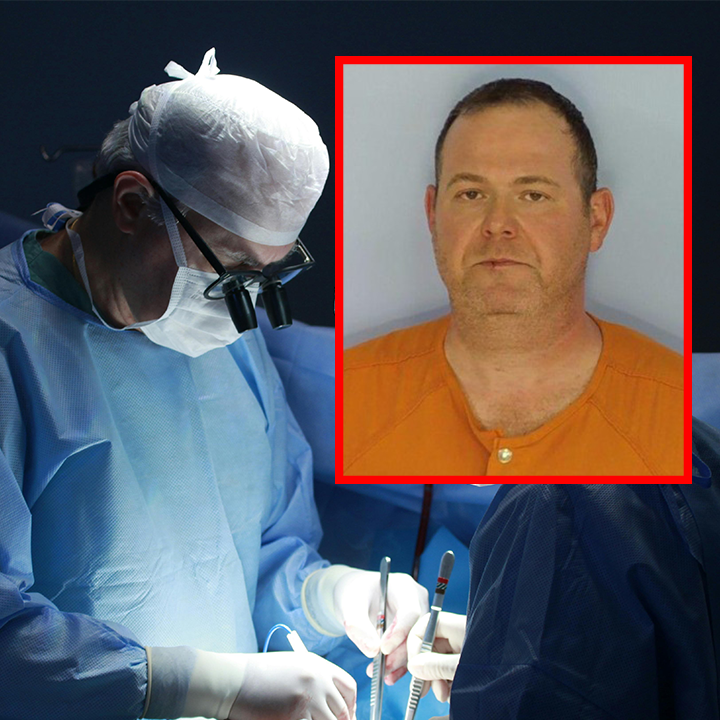
A tragic and deeply unsettling case out of Florida has sparked national attention after a doctor was charged in connection with the death of a patient during what was supposed to be a routine surgical procedure. Authorities allege that a fatal mistake in the operating room led to the removal of the wrong organ, ultimately costing a 70-year-old Alabama man his life.
According to official statements, a Florida grand jury has indicted Dr. Thomas Shaknovsky on a charge of second-degree manslaughter following the August 2024 death of the patient, who was originally from Muscle Shoals, Alabama. The indictment was issued by the Walton County Grand Jury after what officials described as a thorough and extensive investigation into the circumstances surrounding the incident.
The case stems from a procedure that took place on August 21, 2024. The patient had been scheduled to undergo a laparoscopic splenectomy, a minimally invasive surgery intended to remove the spleen. This type of operation is generally considered standard and relatively low-risk when performed correctly. However, investigators allege that during the course of the surgery, Dr. Shaknovsky mistakenly removed the patient’s liver instead of the spleen.
Medical experts note that the liver is a vital organ with a significantly larger blood supply compared to the spleen. Removing it unintentionally, especially in a non-controlled manner, can result in rapid and catastrophic blood loss. According to authorities, that is exactly what happened in this case. The patient reportedly suffered severe internal bleeding and died on the operating table as a direct result of the error.
The Walton County Sheriff’s Office worked closely with state prosecutors and medical authorities to piece together what happened inside the operating room. Their findings ultimately led to the grand jury determining that there was probable cause to believe that Dr. Shaknovsky’s actions went beyond a medical mistake and rose to the level of criminal conduct under Florida law.
Walton County Sheriff Michael Adkinson addressed the case publicly, emphasizing the seriousness of the investigation and the responsibility of law enforcement to pursue the truth. In his statement, he underscored that the legal process must remain impartial and guided strictly by the facts. He also extended condolences to the victim’s family, acknowledging the profound loss they have suffered.
Dr. Shaknovsky was taken into custody on Monday morning in Miramar Beach. Following his arrest, he was transported to the Walton County Jail, where he is currently being held as he awaits his first court appearance. Details about his legal defense or whether he has obtained representation have not yet been publicly disclosed.
This case has raised broader concerns about patient safety, surgical protocols, and accountability within the medical profession. While surgical errors, though rare, do occur, incidents involving the removal of the wrong organ are considered among the most severe and preventable types of medical mistakes. Hospitals and surgical teams typically follow strict verification procedures, including pre-operative checks and intraoperative confirmations, to ensure such errors do not happen.
Legal experts suggest that the charge of second-degree manslaughter indicates prosecutors believe there was a level of negligence that went beyond simple human error. If convicted, Dr. Shaknovsky could face significant legal consequences, including potential prison time.
Meanwhile, the victim’s family is left grappling with the devastating outcome of what was supposed to be a life-saving or routine medical procedure. Cases like this often lead to civil lawsuits in addition to criminal proceedings, as families seek accountability and compensation for their loss.
As the case moves forward through the legal system, it is expected to draw continued public and media attention. It also serves as a stark reminder of the critical importance of precision, communication, and adherence to protocol in the medical field—where even a single mistake can have irreversible consequences.