
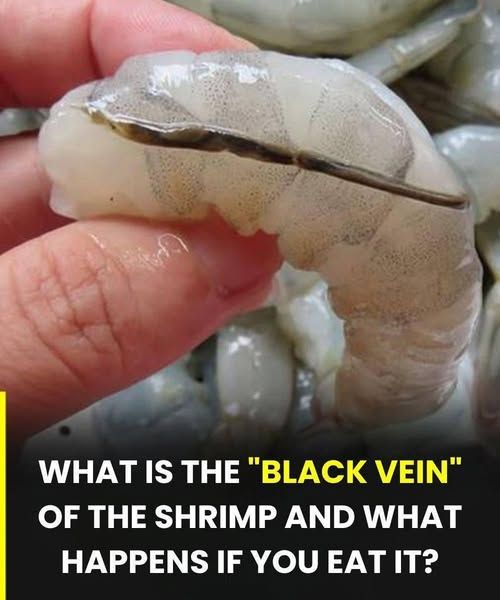
Shrimp is one of the most prized ingredients in cuisines across the globe, loved for its delicate flavor, versatility, and tender texture. Whether it’s grilled, sautéed, fried, or added to soups and pastas, shrimp easily adapts to both simple home cooking and refined, restaurant-quality dishes. Despite its popularity, however, there is one small detail that often causes confusion and hesitation among both beginner cooks and experienced chefs alike—the dark line that runs along the back of the shrimp, commonly referred to as the “vein.”
In reality, this so-called “vein” is not a vein at all. It is actually the shrimp’s digestive tract. Depending on the shrimp’s diet, it can appear as a thin, barely noticeable line or as a darker, more prominent one filled with sand and waste. While this might sound unappetizing, it’s important to understand that it is generally not harmful if consumed. In many cases, especially with smaller shrimp, the vein is so fine that it goes unnoticed and is often left intact during cooking.
That said, many cooks choose to remove the vein for both aesthetic and textural reasons. A cleaned shrimp tends to look more appealing, especially in dishes where presentation matters. Additionally, removing the digestive tract can eliminate any potential grittiness, ensuring a smoother and more enjoyable bite. This is particularly important in recipes where shrimp is the star of the dish, such as shrimp cocktails or lightly seasoned sautéed shrimp.
Deveining shrimp is a relatively simple process that can be done with a small knife or a specialized tool. By making a shallow cut along the back of the shrimp, the vein becomes visible and can be easily lifted out. Many grocery stores also offer pre-cleaned and deveined shrimp, saving time and effort in the kitchen. However, some cooks still prefer to do it themselves to ensure thorough cleaning and freshness.
It’s also worth noting that not all shrimp need to be deveined. For example, when shrimp is cooked with the shell on, the vein is often left in place, as it is less noticeable and does not significantly affect the flavor. In fast-paced kitchens or casual cooking settings, skipping this step is quite common and widely accepted.
Ultimately, the decision to remove the vein comes down to personal preference. While it is not a strict requirement for safety, it can enhance the overall dining experience in terms of both taste and presentation. Understanding what the “vein” actually is helps demystify this small but frequently questioned detail, allowing cooks to make more informed choices in the kitchen.
In the end, shrimp remains a delicious and versatile ingredient, and with a little knowledge and preparation, it can be enjoyed to its fullest potential without any uncertainty or concern.